


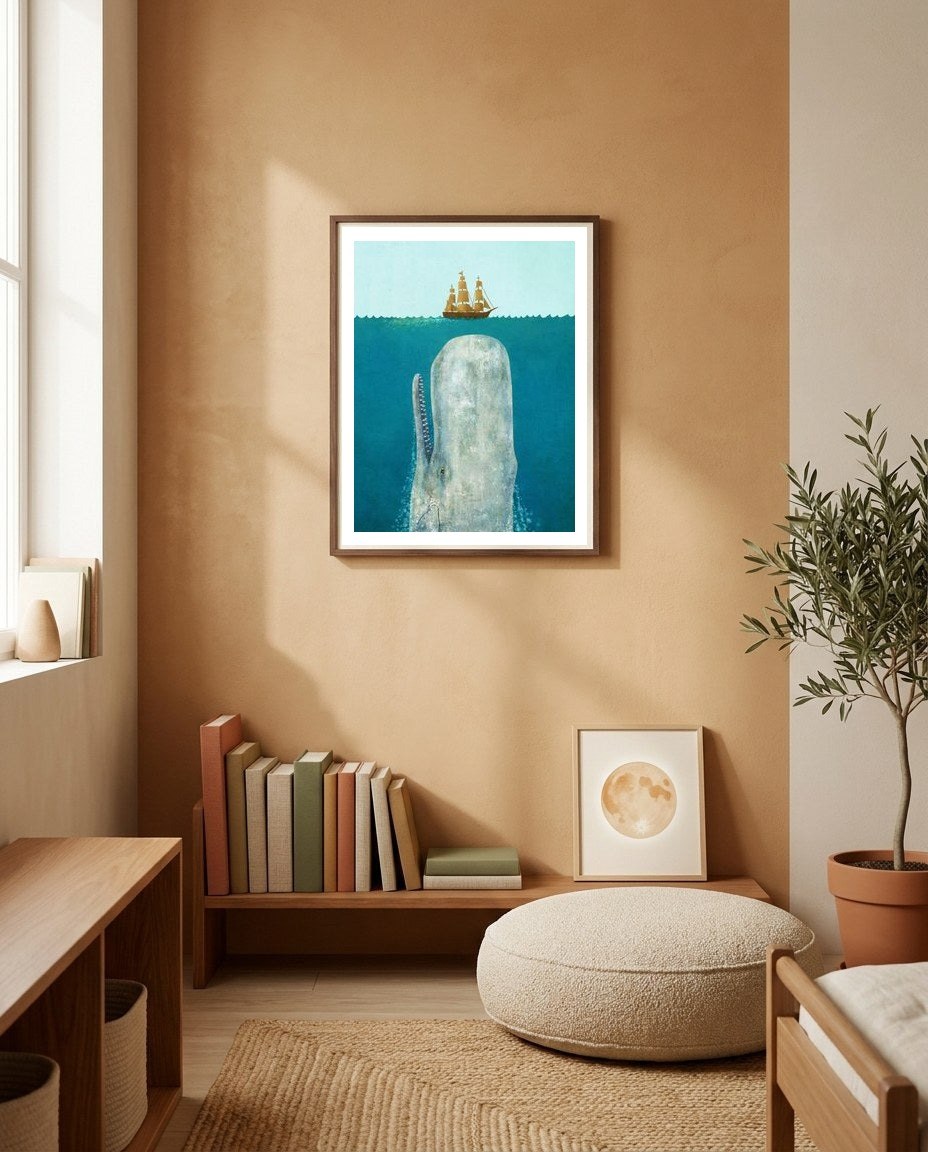


Op Art Prints
Op art plays with your eyes, creating movement and depth through clever design. These prints use lines, shapes, and colors to create captivating optical illusions that shift and change as you look at them. It's a style that brings a playful, dynamic energy to any room.








About the collection
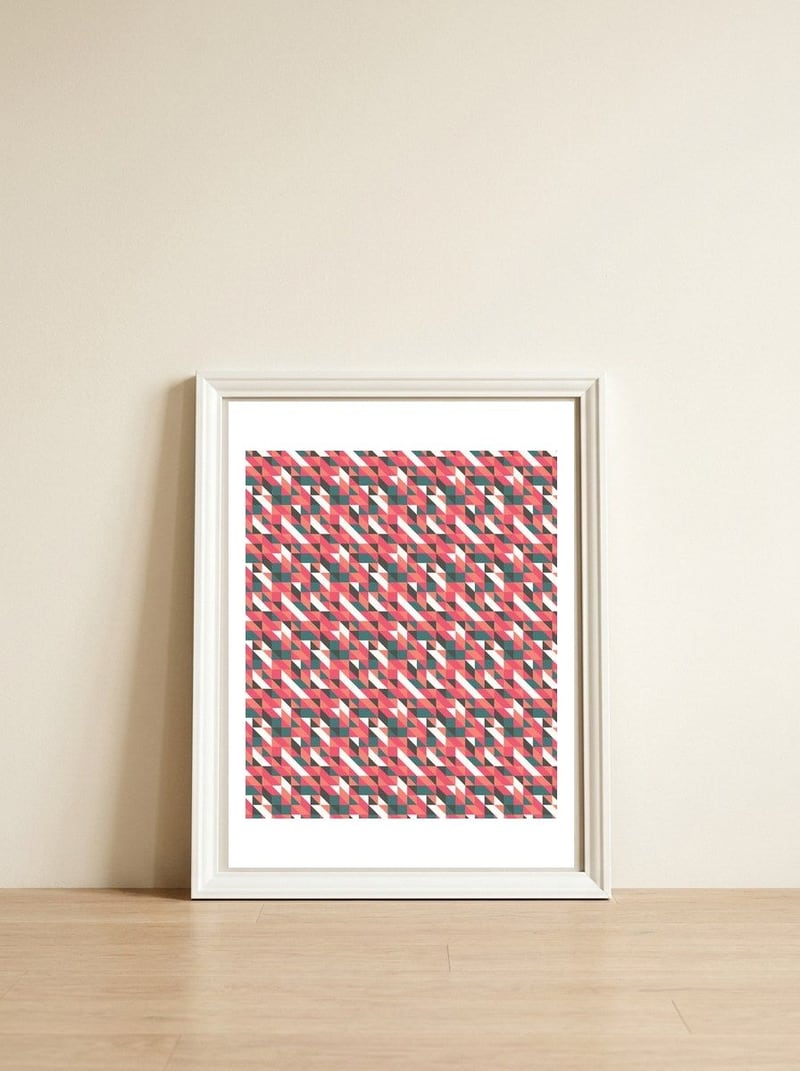
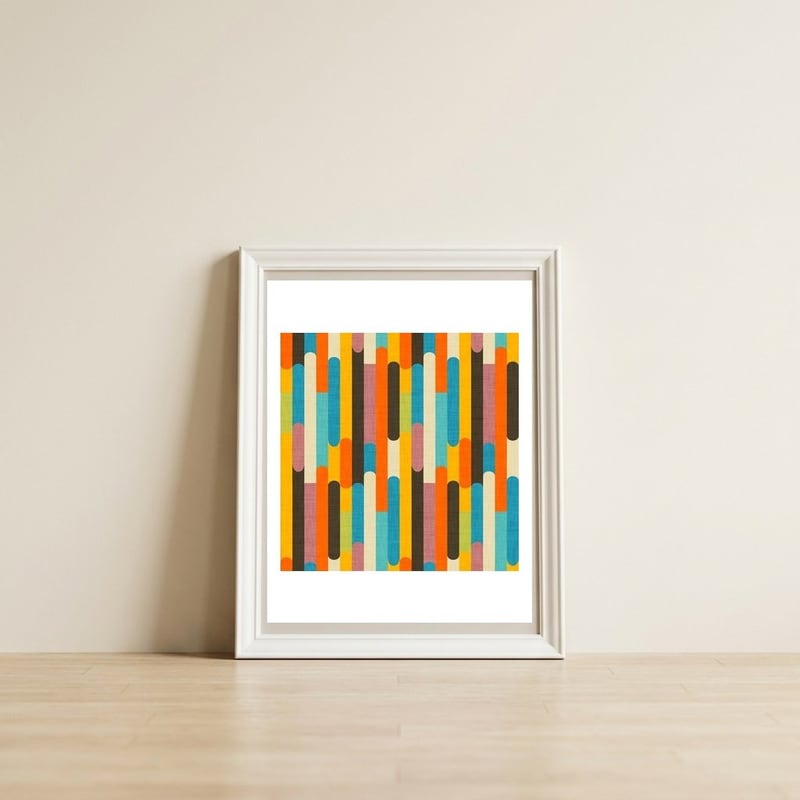
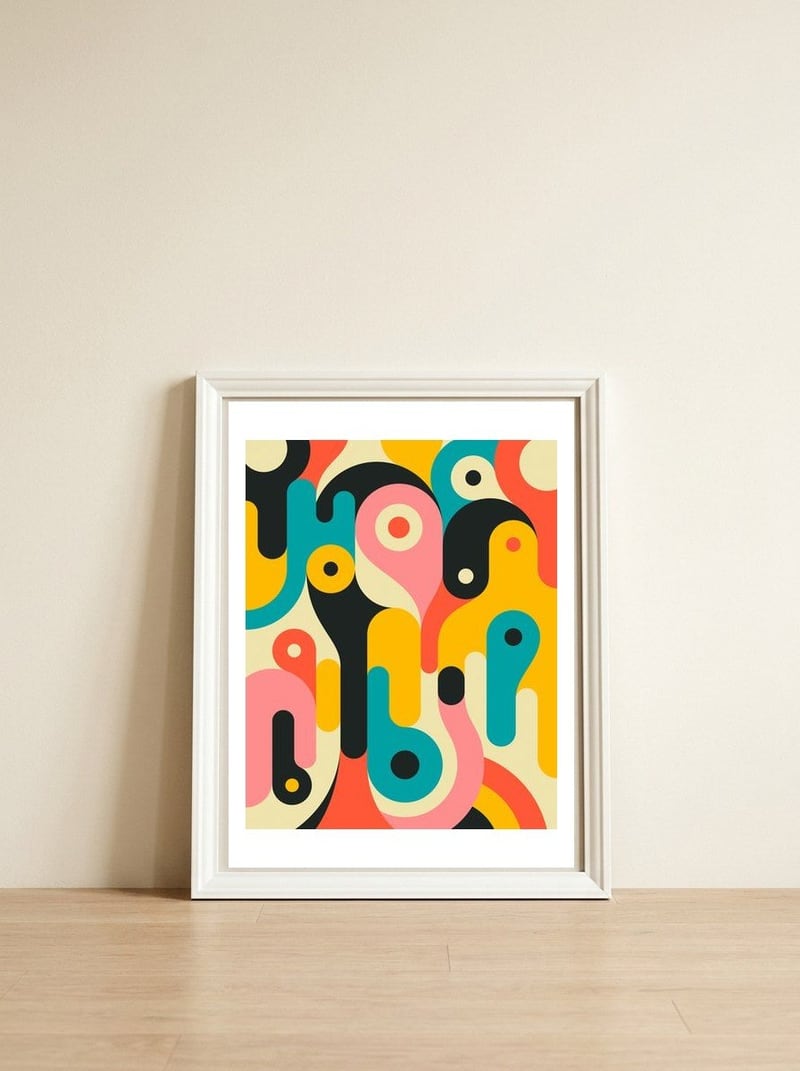
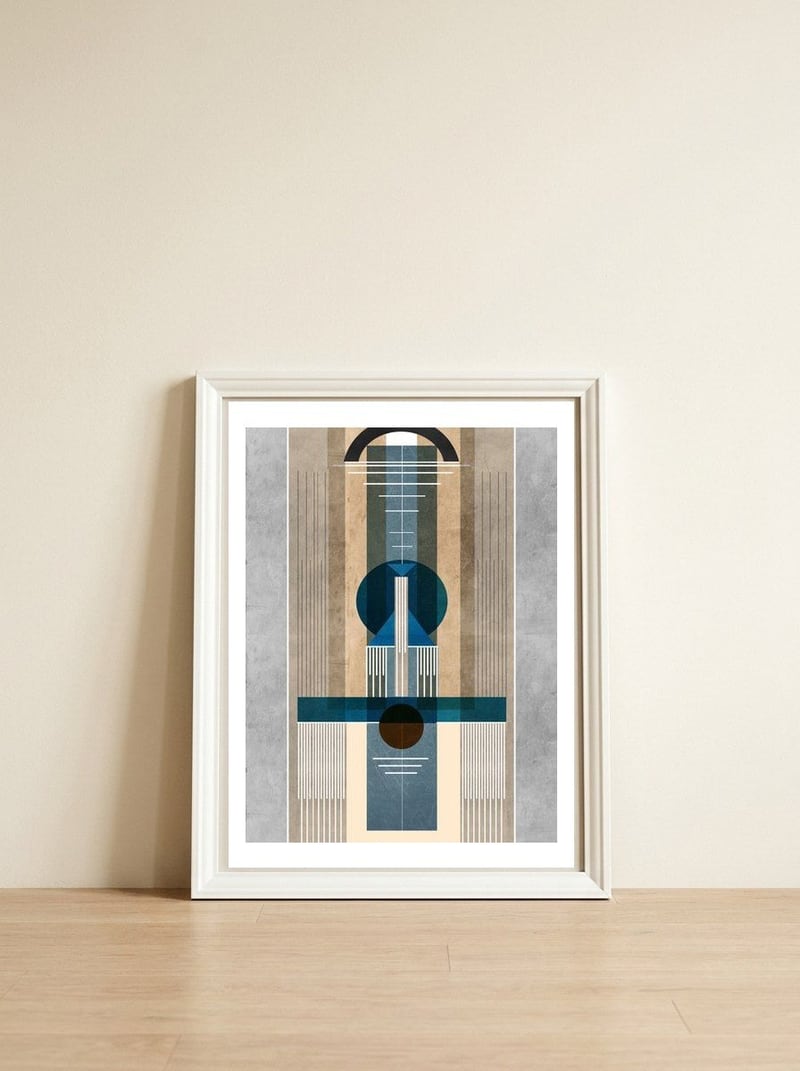
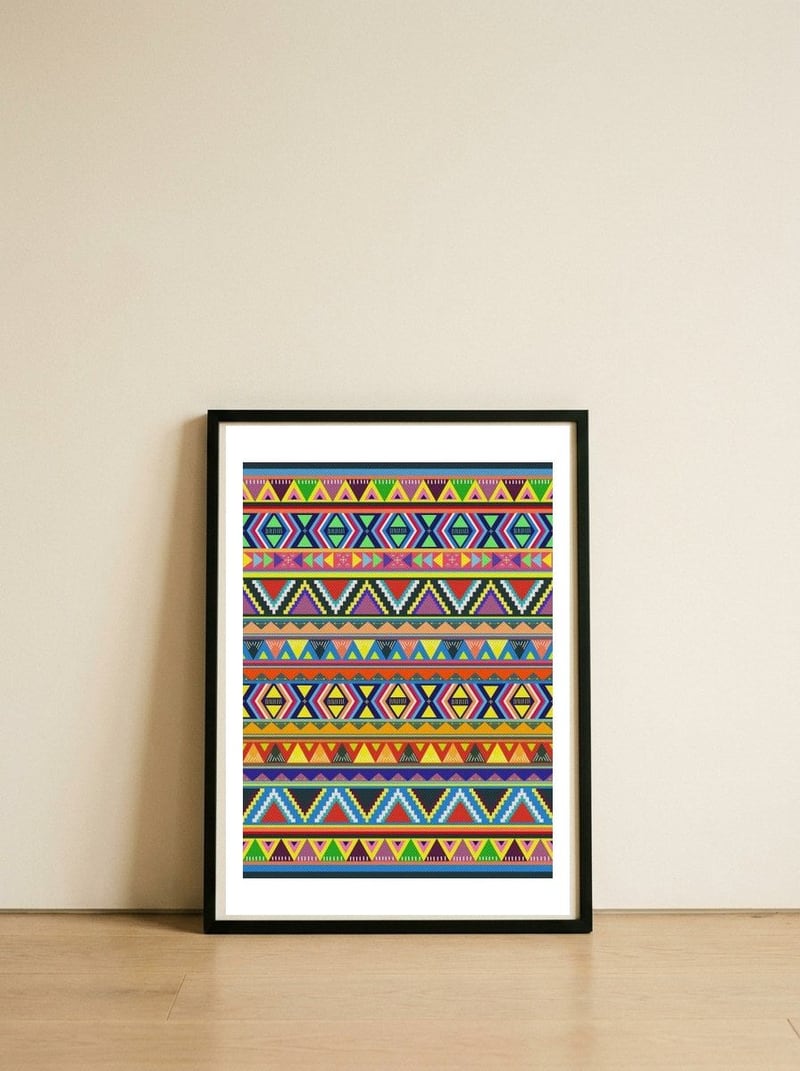
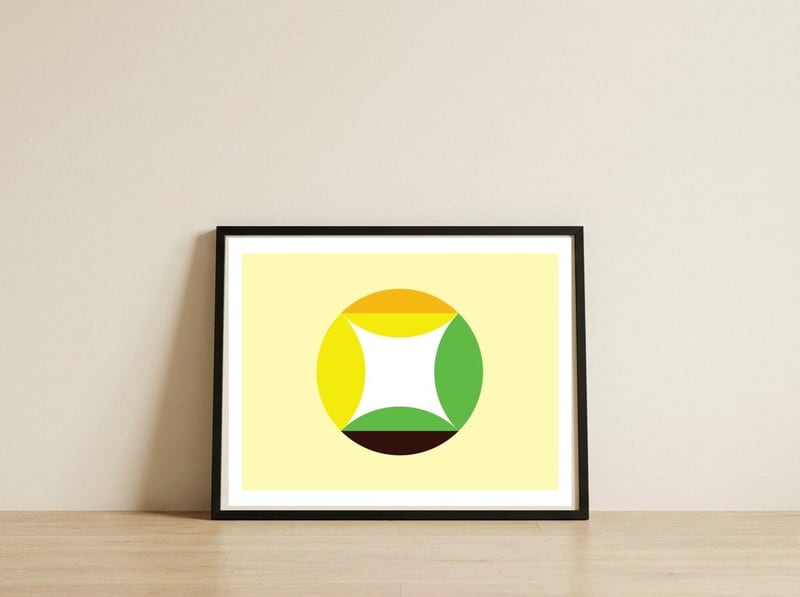
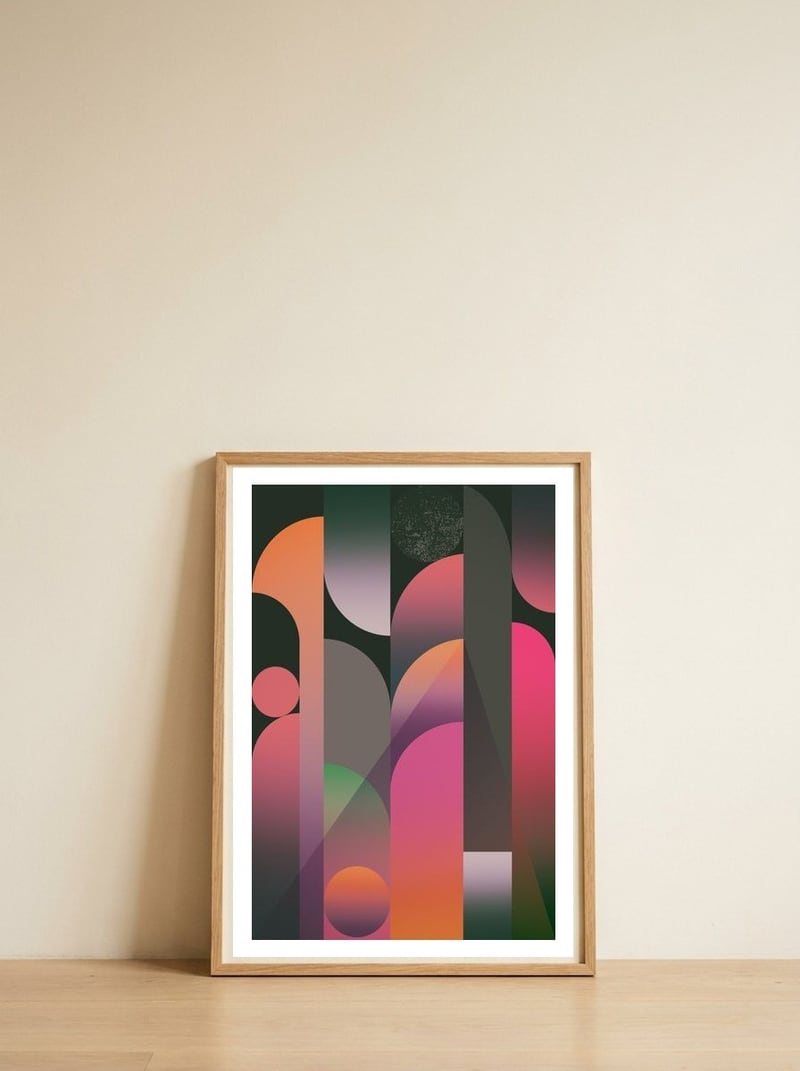
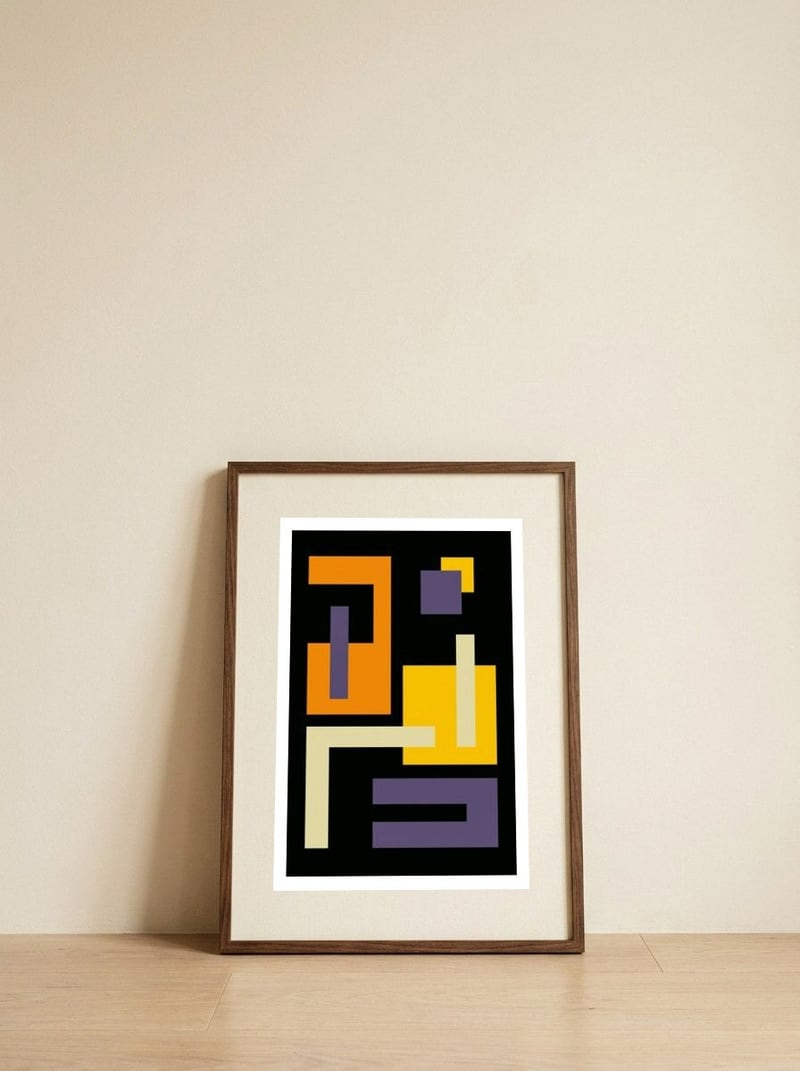
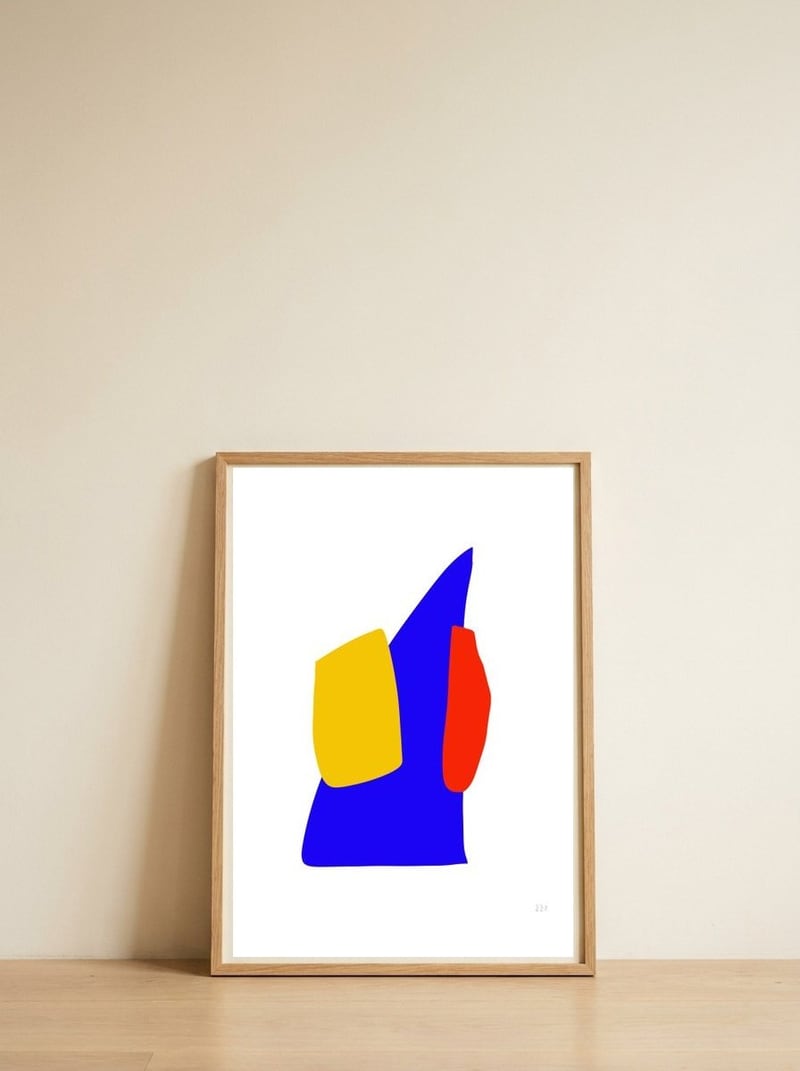
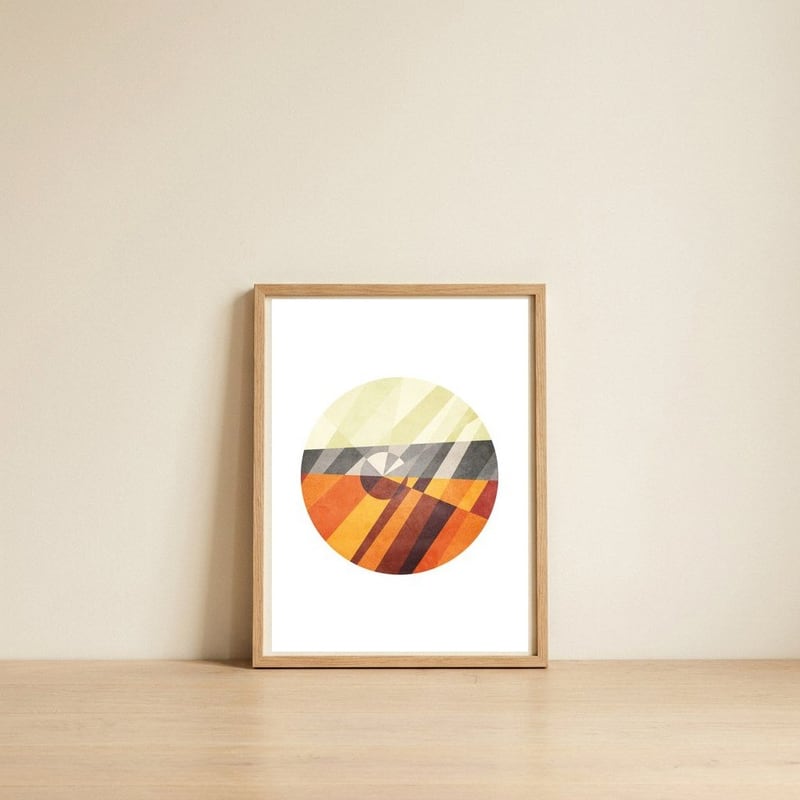
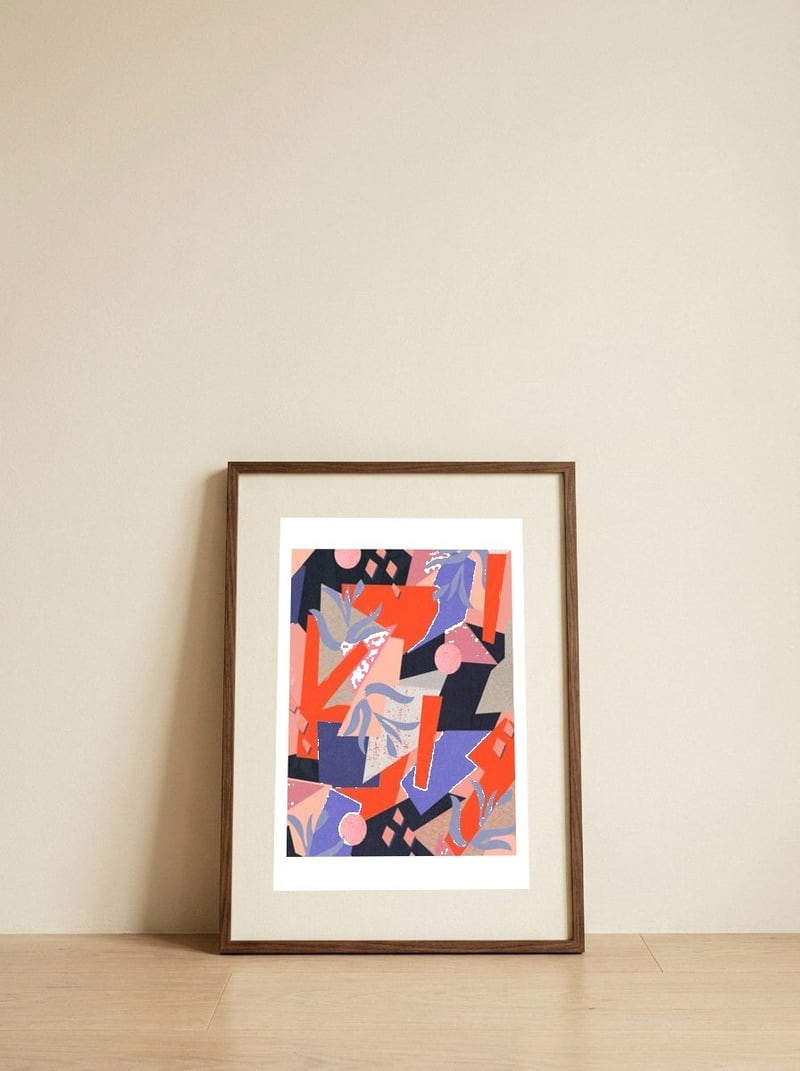
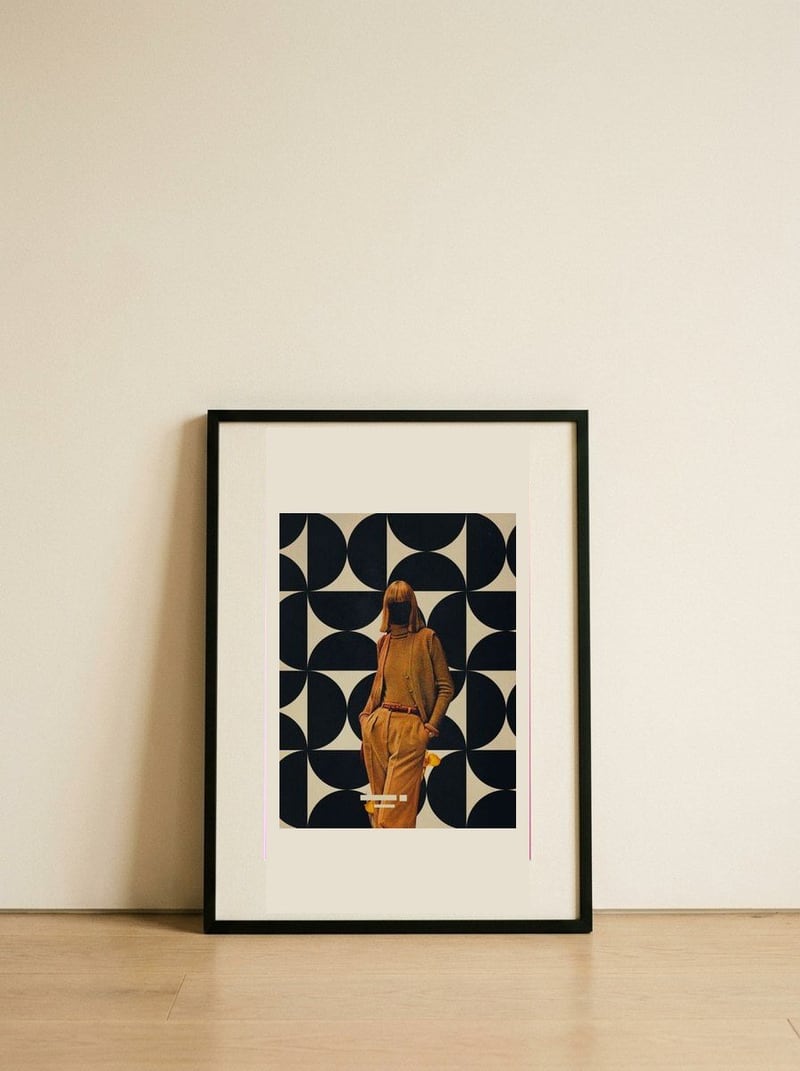
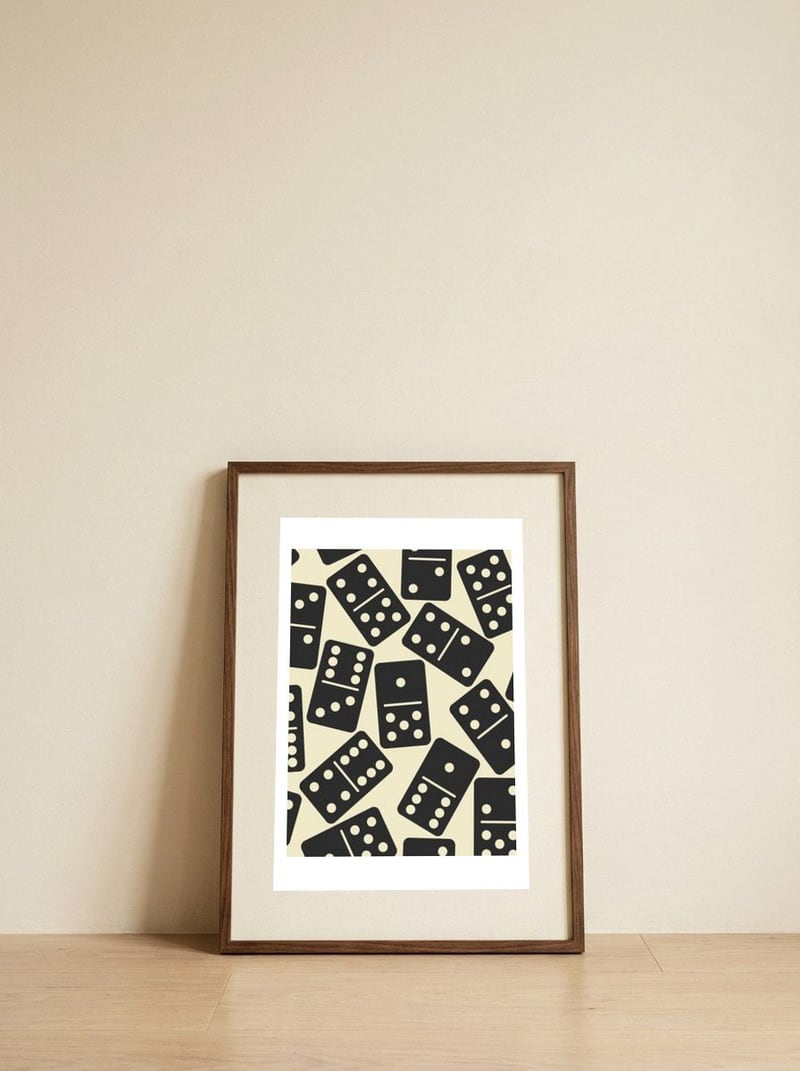
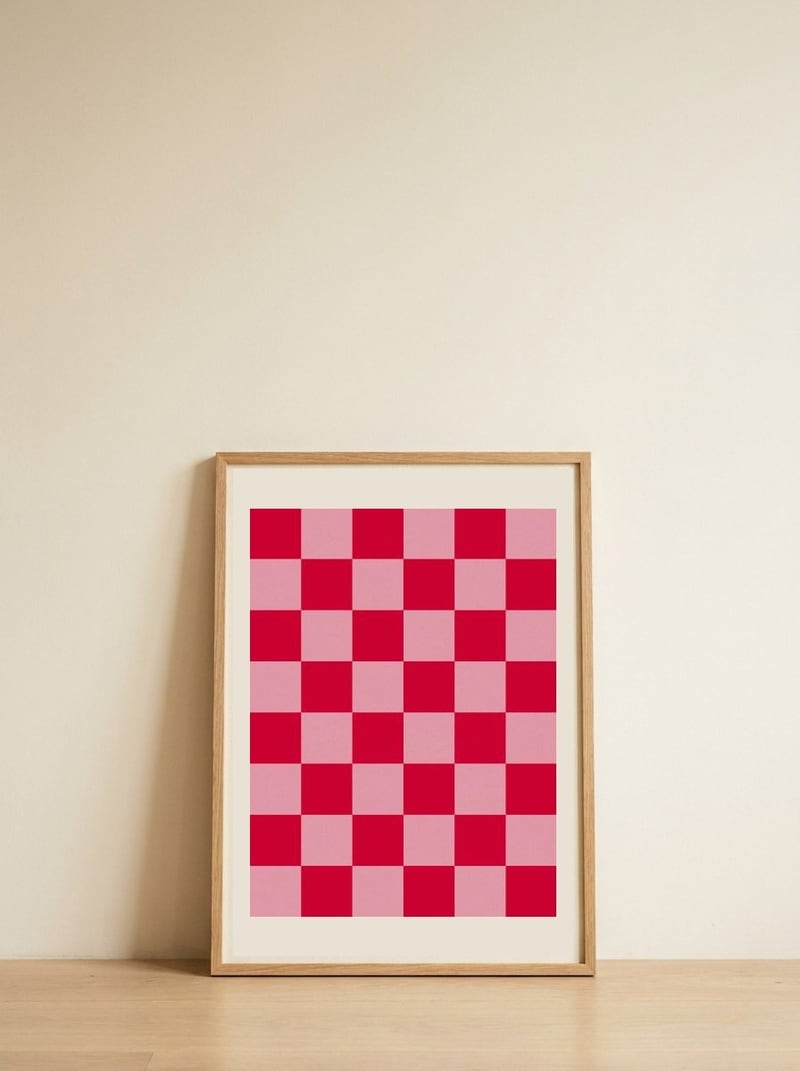
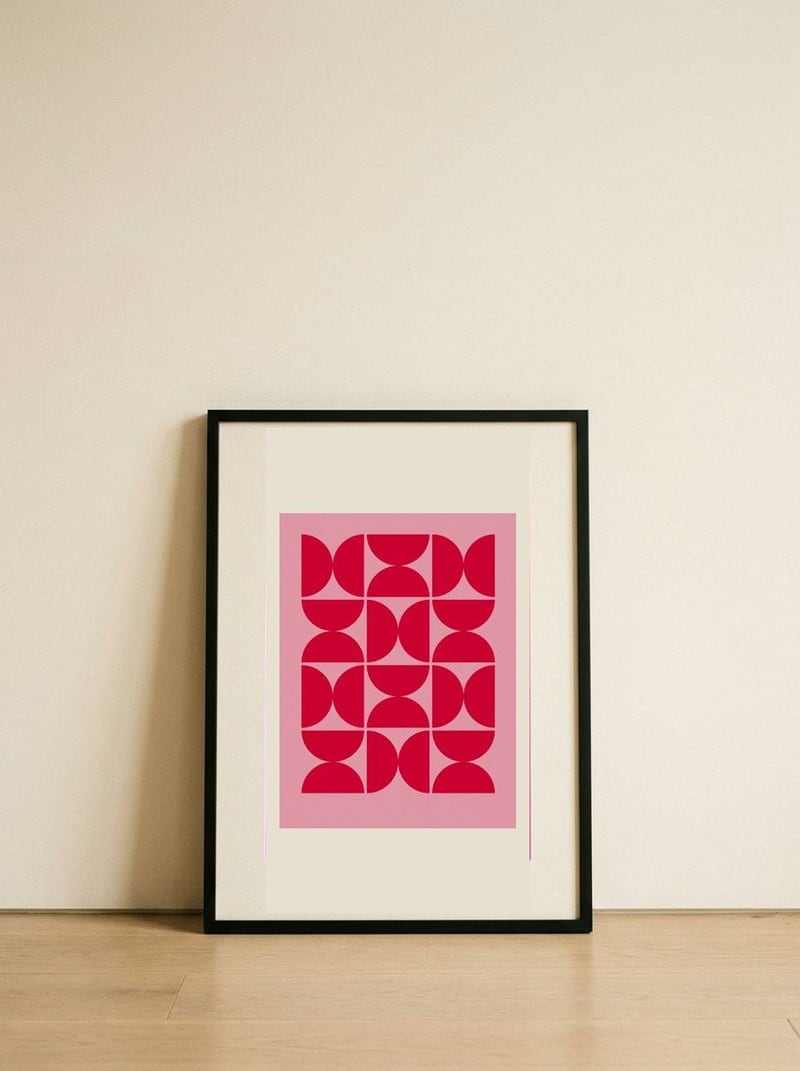
These op art prints are all about visual tricks, making flat surfaces appear to undulate, vibrate, or recede. You'll find plenty of crisp lines and geometric shapes, often in high-contrast color combinations like those in Complex by Shelly Bremmer or REVENGE III by MUTHYGER. Many pieces embrace a minimalist approach, using simple forms to create maximum impact.
From the intricate patterns of Geometric Maze by 83 Oranges to the vibrant energy of Abstract Colorful Line Art I by Technicolorable, this collection offers a wide range of interpretations of the op art movement. Each print is made to order on archival fine-art paper, available unframed or framed in your choice of colors, with or without a white border, and in various sizes to fit your space perfectly.
Where it works
- Hang an op art print in a bright entryway to greet guests with a burst of dynamic energy.
- Place a larger print above a sofa in a living room to anchor the space and create a compelling focal point.
- Consider a smaller, framed op art piece on a bookshelf or desk to add a surprising touch of visual interest to your home office.
Artists in this collection
Questions about op art print
What size op art print should I choose?
Consider the wall space you have. A large op art print makes a bold statement in a spacious room, while smaller sizes work well for gallery walls or to add a pop of visual trickery to a cozy nook.
Do op art prints work in modern rooms?
Absolutely. The clean lines and often abstract nature of op art prints make them a natural fit for modern interiors. They add a sophisticated, artistic edge without being overly busy.
Should I frame an op art print?
Framing can enhance an op art print, giving it a finished look and protecting the art. A simple black or white frame often complements the graphic nature of op art, letting the visual illusion take center stage.