Nothing To Do
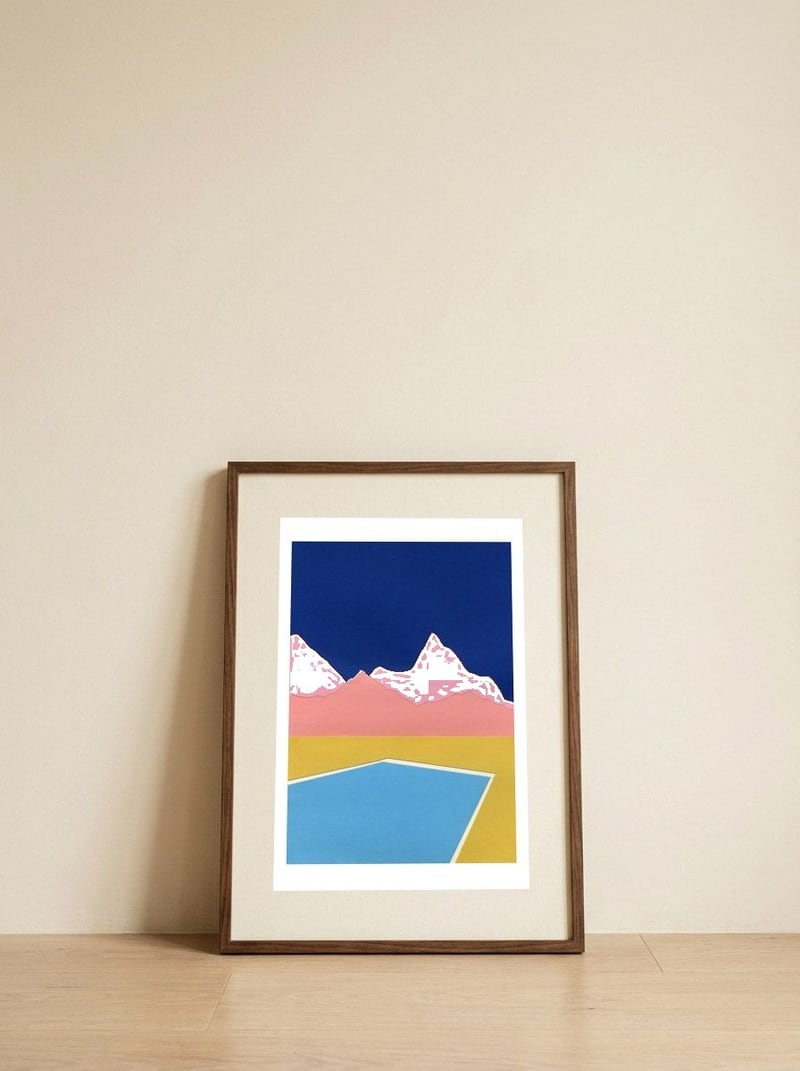
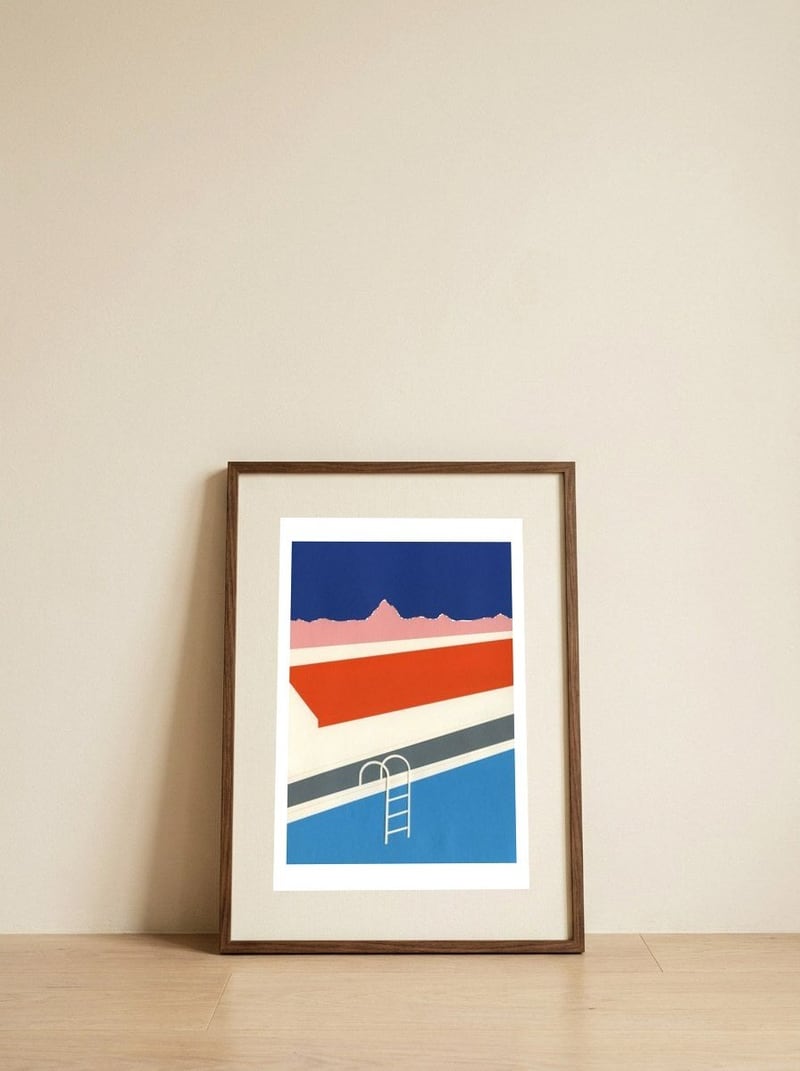
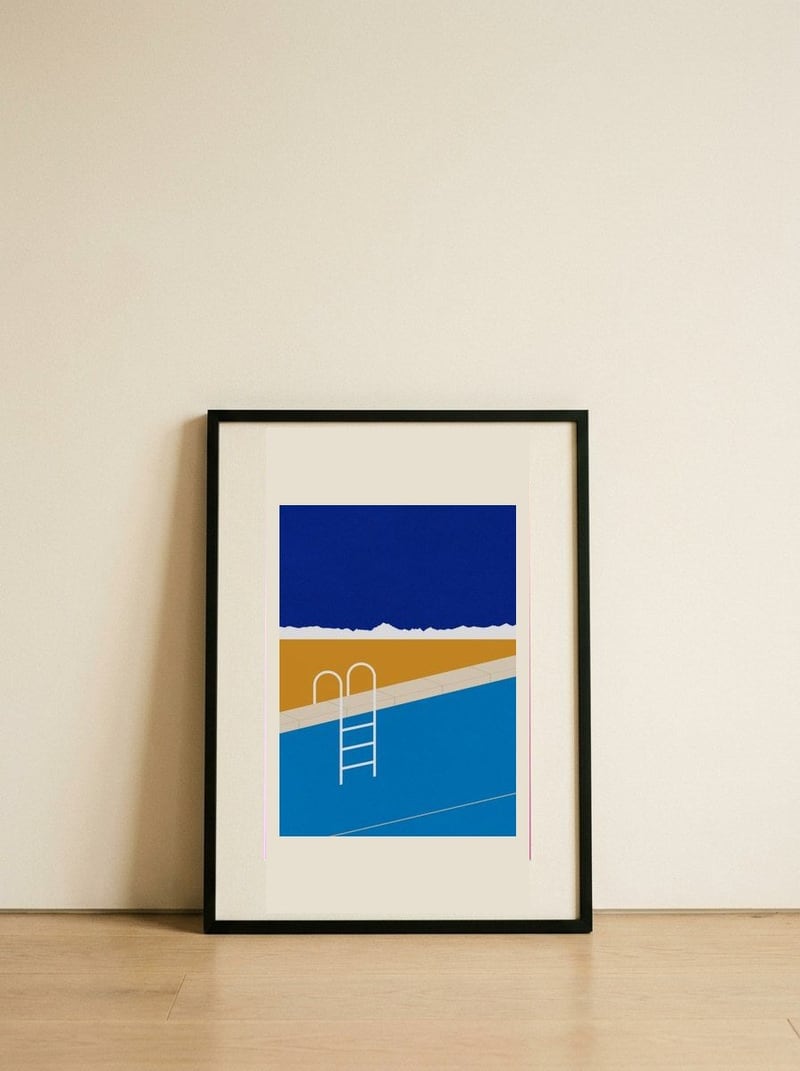
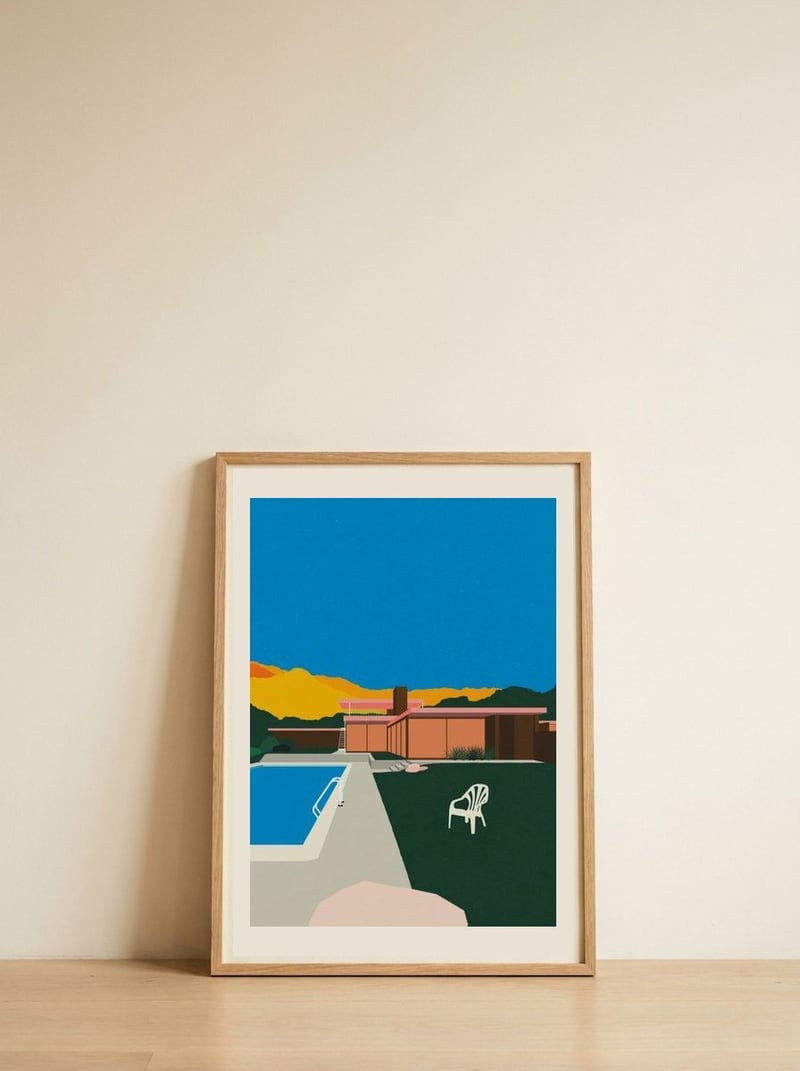
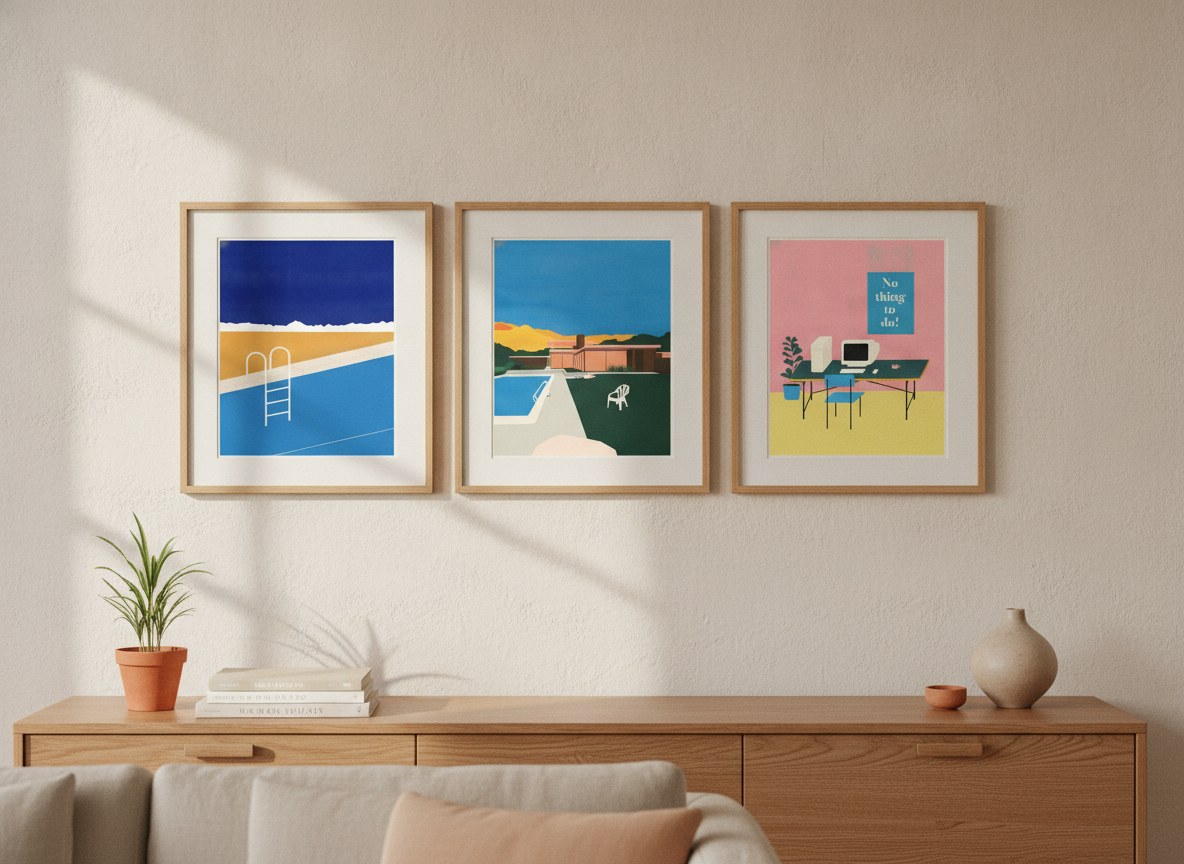
Rosi FeistRosi Feist constructs a scene of quiet stillness through bold, flat planes of color and a distinctively vintage digital aesthetic. This piece finds beauty in the mundane, stripping away the noise to focus on the graphic weight of a single, idle moment.
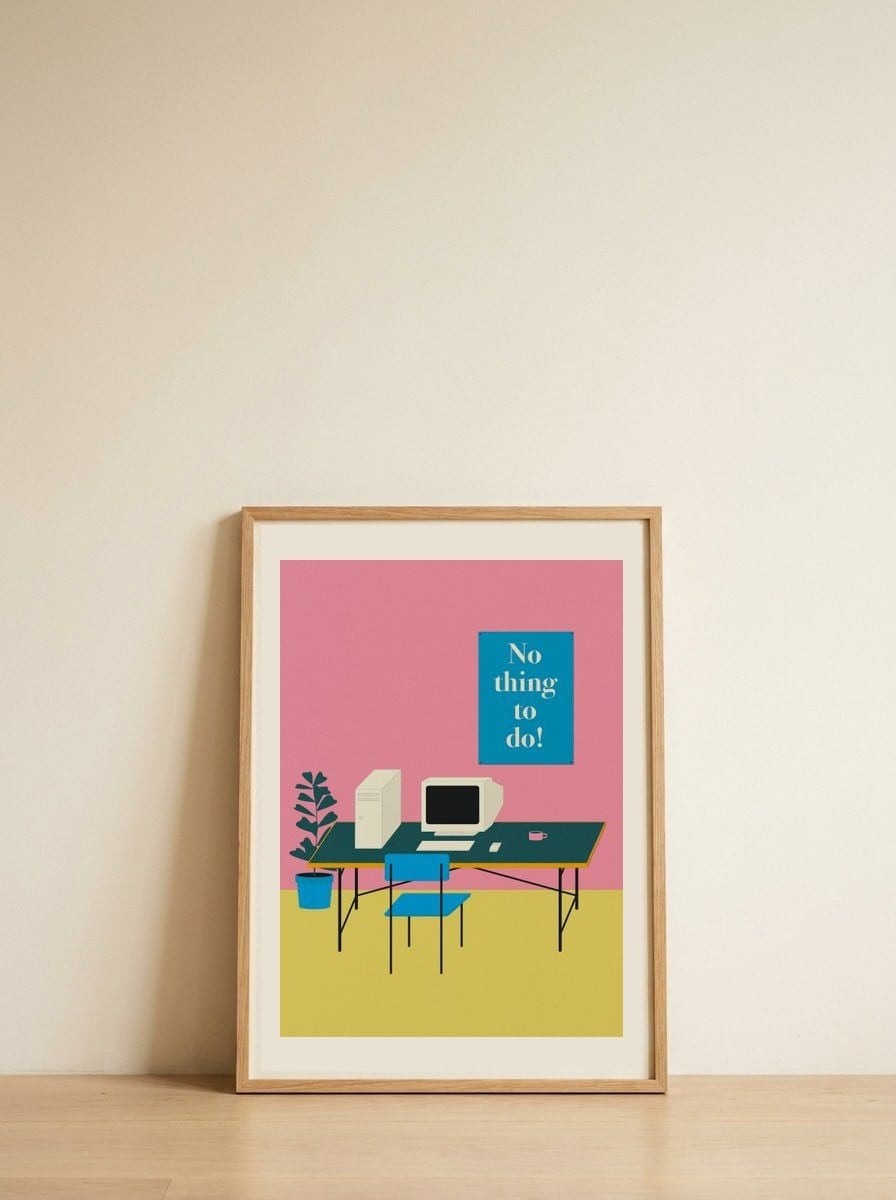
Styling images show a frame. Print sold unframed.
Nothing To Do
Rosi Feist constructs a scene of quiet stillness through bold, flat planes of color and a distinctively vintage digital aesthetic. This piece finds beauty in the mundane, stripping away the noise to focus on the graphic weight of a single, idle moment.
28 × 35 cm · about ⅛ the width of a 3-seat sofa
A meaningful share of this purchase goes directly to Rosi Feist.
Every Arthaus piece supports a living artist.
Nothing To Do
Rosi Feist
Art Analysis
The Quiet Vibrancy of a Still Afternoon
In this portrait-oriented work, Feist utilizes a minimal composition to evoke a sense of nostalgic calm. The digital medium is handled with a nod to mid-century print aesthetics, favoring clean lines and a saturated palette that feels both retro and immediate. By removing extraneous detail, the artist directs the eye toward the interplay of light and shadow, suggesting a narrative of leisure and introspection.
The vibrant use of color anchors the piece, turning a simple concept into a rhythmic visual experience. There is a deliberate balance between the modern precision of digital art and the weathered charm of vintage design, resulting in a work that celebrates the art of doing nothing at all.
The artist employs a sparse arrangement to focus the viewer's attention on the essential forms of the vase and greenery.
The piece utilizes a vintage-inspired color palette and graphic simplicity to evoke a sense of nostalgic warmth.
A bold and varied color palette breathes life into the stillness of the subject matter.
Free Shipping
On all framed orders
100-Day Guarantee
Love it or return it
Gallery Quality
Museum-grade materials
Artist-Direct
Fair pay, every piece
Complete the Wall
This piece is part of a wall our team put together — shown with the works chosen to sit beside it.
More to Discover
More from Rosi Feist
ArtistMore of Rosi Feist’s work, hand-picked from the collection.