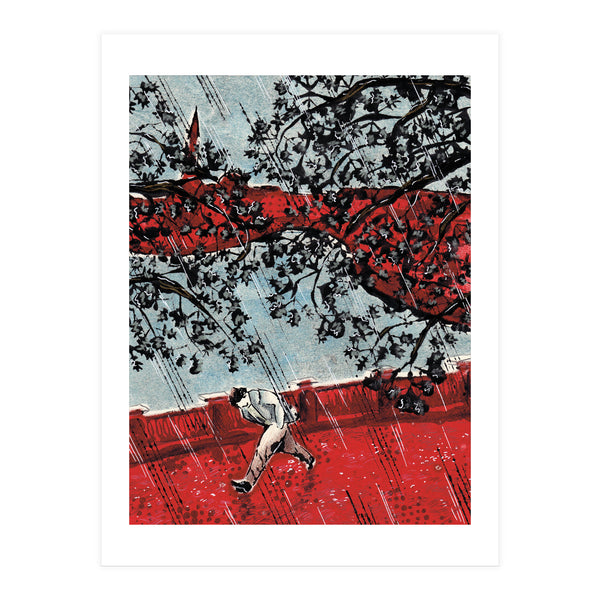
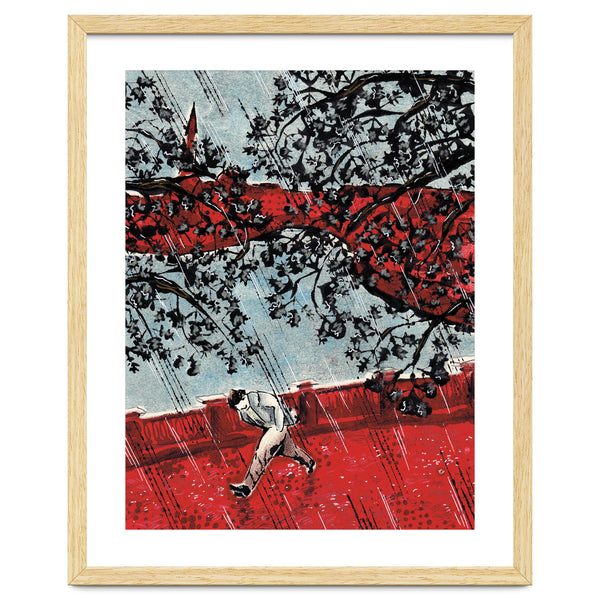
Watermelon Man #1
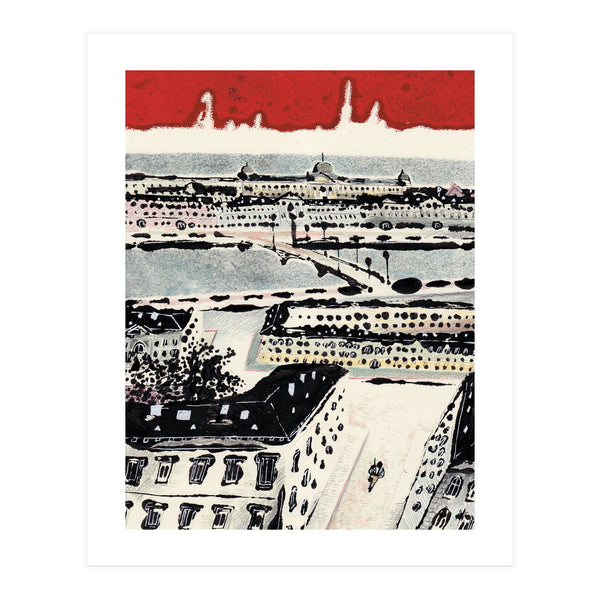
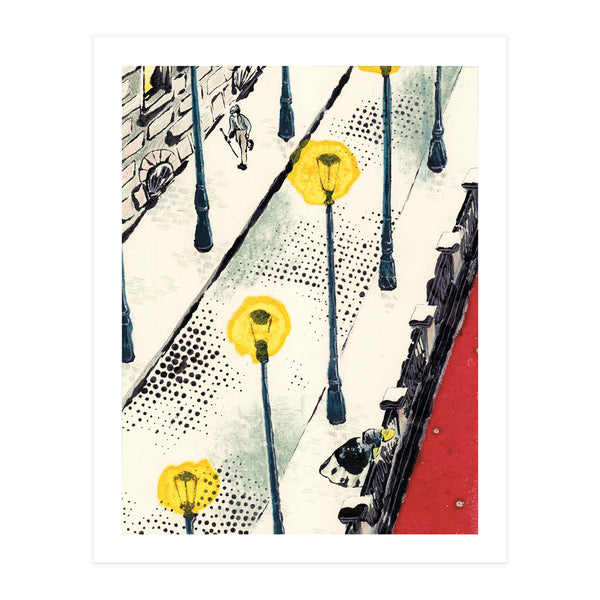
Nicolai TroshinskyNicolai Troshinsky uses pen and colored pencil to map the internal geography of obsession, where the boundary between a man and his fixation dissolves into a textured, green-hued landscape. This piece finds a quiet, surreal rhythm in the way human form merges with the organic patterns of the fruit that consumes his thoughts.

Watermelon Man #1
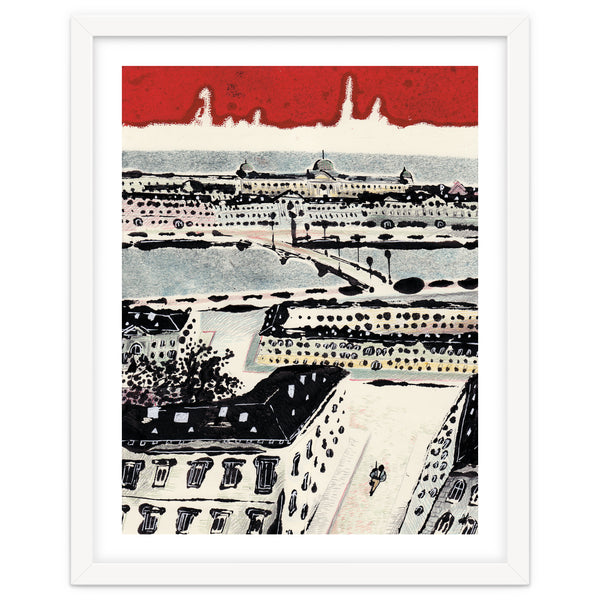
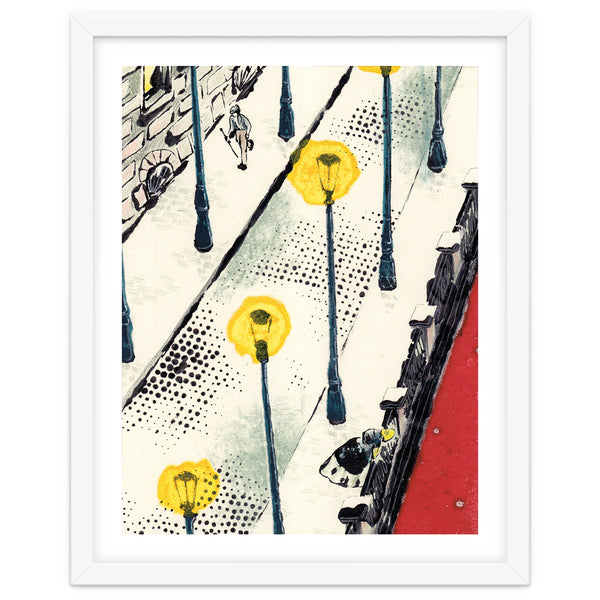
Nicolai Troshinsky uses pen and colored pencil to map the internal geography of obsession, where the boundary between a man and his fixation dissolves into a textured, green-hued landscape. This piece finds a quiet, surreal rhythm in the way human form merges with the organic patterns of the fruit that consumes his thoughts.
A meaningful share of this purchase goes directly to Nicolai Troshinsky.
Every Arthaus piece supports a living artist.
Art Analysis
A quiet study of botanical obsession and human form
Originally created for an unpublished book about a man consumed by his love for watermelons, this illustration uses delicate pen work and colored pencils to build a world that is both grounded and impossible. Troshinsky’s technique relies on fine, layered strokes to suggest a subversion of natural laws, where the rinds and seeds of the fruit become the very architecture of the subject's reality. The work earned recognition at the CJ Picture Book Awards for its ability to render a singular, eccentric focus with such tactile precision.
The composition balances a tranquil space with a whimsical fantasy world, inviting the viewer to reconsider the human form through a lens of botanical obsession. By fusing a traditional medium with an ethereal landscape, the artist creates a serene yet surreal atmosphere that captures the quiet intensity of an imaginative mind. The result is a portrait that feels less like a literal depiction and more like an emotional map of a character's internal life.
The artist uses pen and colored pencil to blend human anatomy with the textures of fruit, creating a seamless transition between the man and his obsession.
The work employs the soft textures and character-driven focus typical of children's book illustrations to tell a story of seasonal change.
Through fine lines and layered pencils, the work establishes a dreamlike aesthetic that feels both physically tactile and psychologically distant.
The intricate detailing suggests a world where the subject's inner thoughts manifest as physical, ethereal landscapes.
Free Shipping
On all framed orders
100-Day Guarantee
Love it or return it
Gallery Quality
Museum-grade materials
Artist-Direct
Fair pay, every piece
More to Discover
More from Nicolai Troshinsky
ArtistMore of Nicolai Troshinsky’s work, hand-picked from the collection.